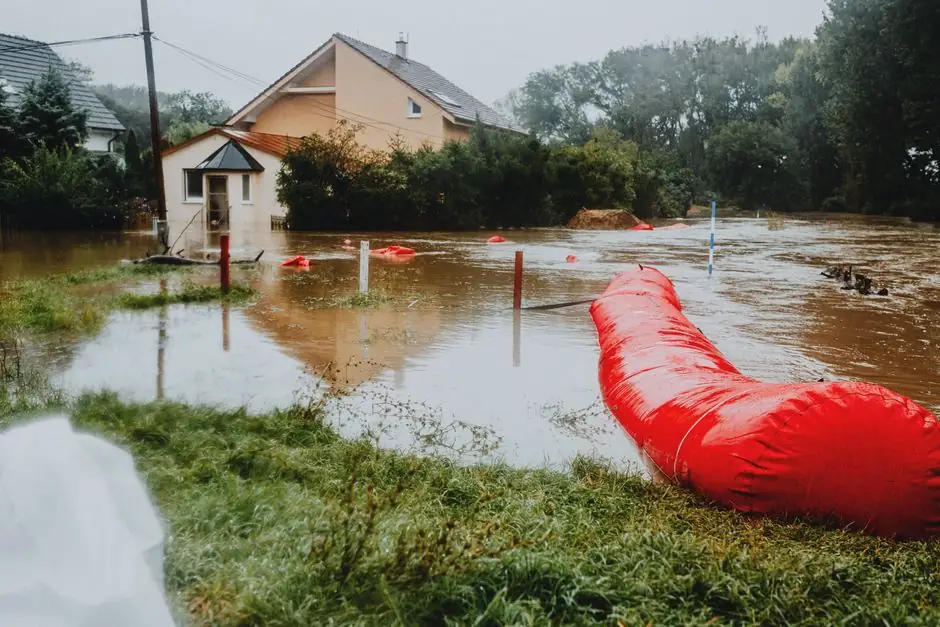
Water damage can begin with a burst pipe, an appliance leak, roof damage, or storm-related flooding. For McKinney homeowners, protect people first, stop the source if it is safe, and document what happened before cleanup begins.

What to do first after water damage
- Keep people and pets away from standing water if electrical equipment may be affected.
- If safe, shut off the water supply causing the leak. Do not enter an area with a suspected electrical hazard.
- Photograph affected rooms and belongings for your records and insurer.
- Move undamaged items away from wet areas when safe.
- Contact a qualified professional if water is widespread, contaminated, or has reached walls or flooring.
Understand the type of water damage
A clean-water leak may need a different response from stormwater or sewage. Floodwater and sewage can contain contaminants, so avoid direct contact. For standing water, learn about water extraction services. For broader cleanup, see water damage cleanup in McKinney.
Drying and hidden moisture
Water can travel beneath flooring and behind baseboards or drywall. Ventilation alone cannot confirm hidden materials are dry. Restoration professionals may use moisture meters and other tools to assess affected areas. Review available water damage restoration services if water has spread through multiple rooms.
Prevent future water damage
- Inspect visible plumbing connections and appliance hoses periodically.
- Keep gutters and downspouts clear.
- Know where the main water shutoff is located.
- Address roof leaks and drainage problems promptly.
- Consider a water-leak alarm near appliances.
When to seek professional help
Get professional advice when water affects large areas, remains standing, reaches building materials, or may be contaminated. Use the contact page to discuss your situation. The right response depends on the source, extent, and materials affected.